PlanningPomodoroProductivityStudying
Students Need Attention More in the Social Media Era
You open your laptop to study, check a message, and find yourself scrolling before you have finished the first paragraph. Social media can offer connection and useful learning resources, but keeping it open beside coursework creates opportunities for interruption. Students need time to follow an argument, work through a problem, and make sense of unfamiliar ideas. Protecting that attention starts with noticing what repeatedly pulls you away and creating a study setup that makes returning easier.
Research helps explain why even small interruptions matter. Stothart and colleagues found that phone notifications disrupted performance on an attention-demanding task even when participants did not interact with their phones. [1] In a separate simulated-classroom study, Sana and colleagues found lower comprehension scores among students who multitasked on laptops during a lecture, as well as among students who could see a multitasking peer’s screen. [2] These findings concern immediate distraction and learning; they do not establish that social media permanently damages attention. They do give students a practical reason to reduce interruptions during study.
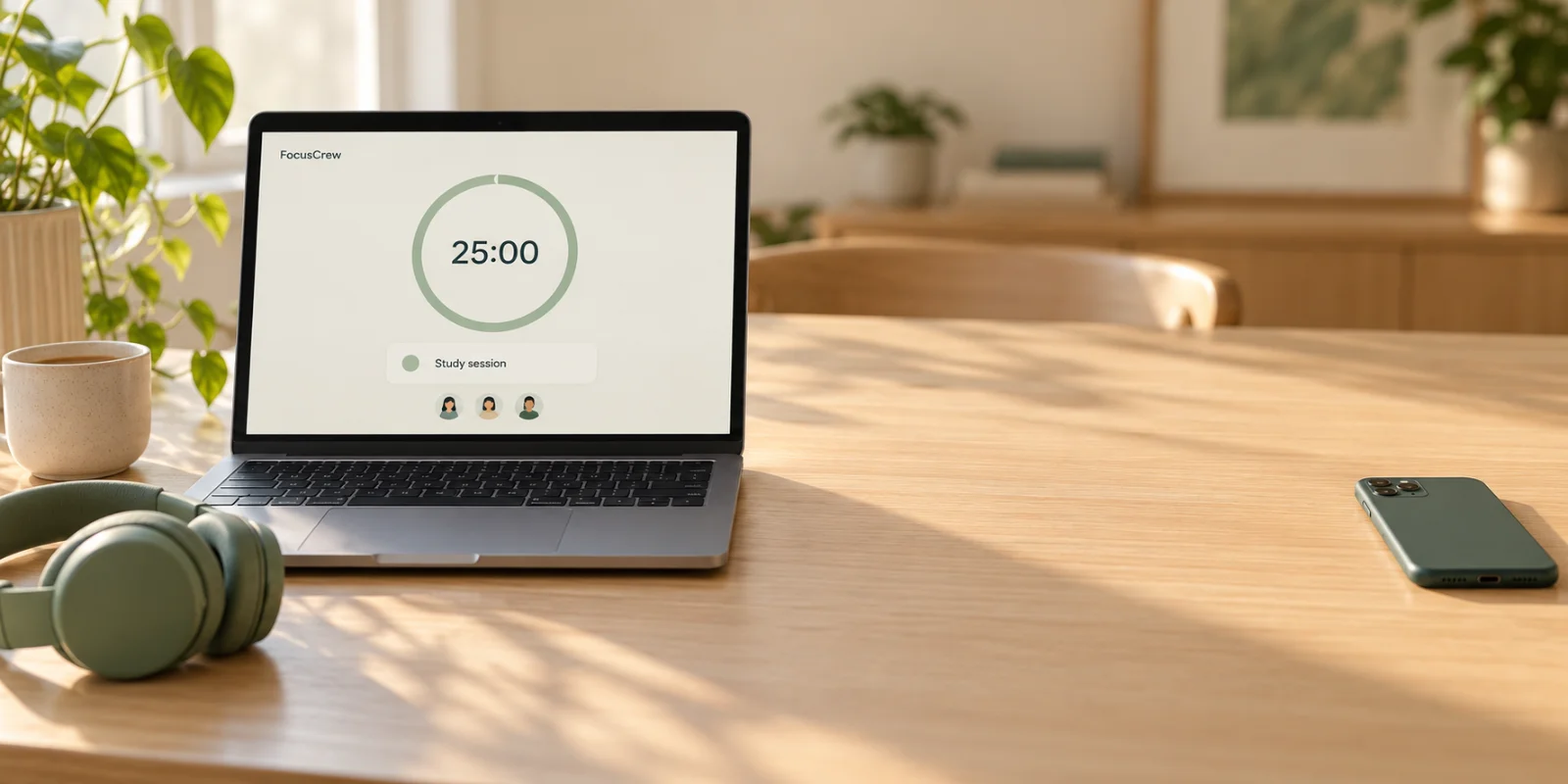
Before beginning, silence non-essential notifications, close unrelated tabs, and put your phone out of reach if you do not need it. Then choose one specific outcome, such as answering five practice questions or explaining one concept in your own words. Using Pomodoro for studying can give that task a clear time boundary. Try 25 minutes followed by a short break, adjusting the length to your needs. During the break, stand up or get some water, and decide in advance when you will return.
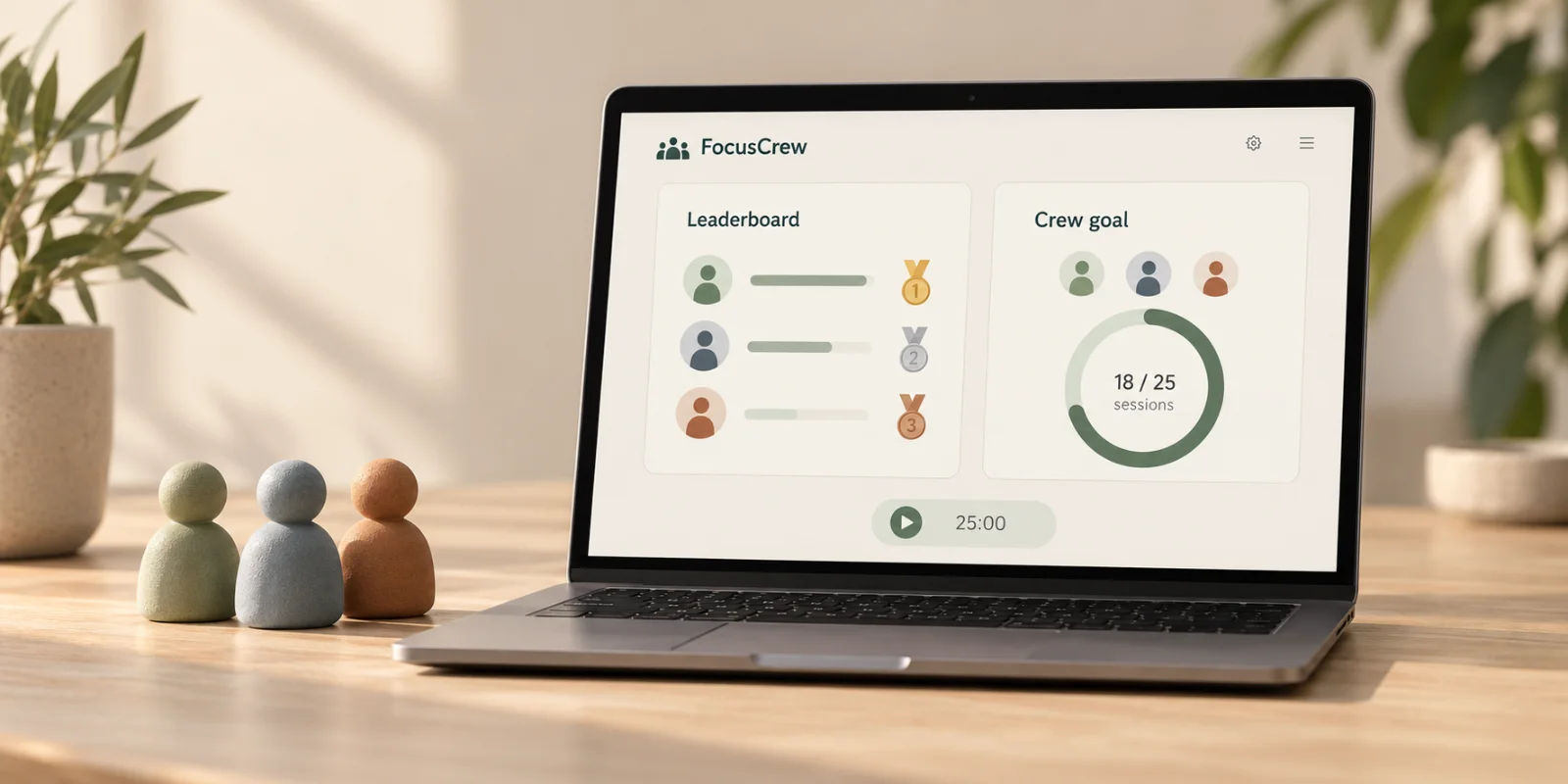
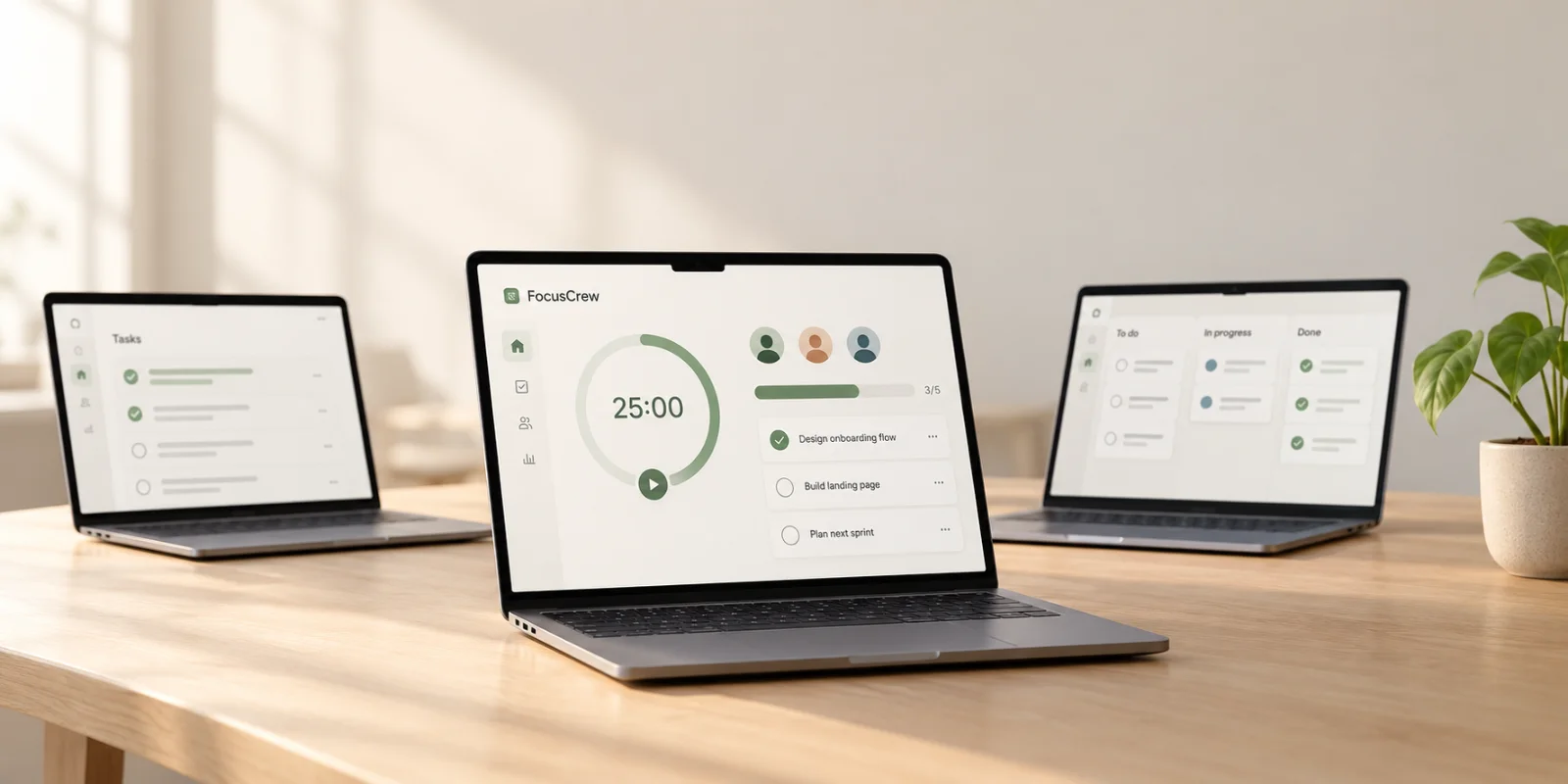
FocusCrew brings study planning and focus sessions into one place. Add an assignment, choose a manageable next step, and attach that task to a timer session. Its planning and habit-tracking tools can help you keep your routine visible. If you would like company, camera-free body doubling offers quiet accountability without a video call. Crew goals also let individual sessions contribute across different schedules, so you can participate when your study time allows.
Treat attention as something you can support through your environment and routine. If you drift into scrolling, close the feed and return to the next small step. Practise building habits without guilt, and review what you understood or completed after each session. Begin with one protected study block in FocusCrew. A realistic task, fewer interruptions, and a clear place to return can make the next study session more manageable.
References
- Stothart, C., Mitchum, A., & Yehnert, C. (2015). The attentional cost of receiving a cell phone notification. Journal of Experimental Psychology: Human Perception and Performance, 41(4), 893–897.
- Sana, F., Weston, T., & Cepeda, N. J. (2013). Laptop multitasking hinders classroom learning for both users and nearby peers. Computers & Education, 62, 24–31.